-
A-A+
- Persoane cu deficiențe de vedere
- Українською
- Українською
Română
Română
Ukraine Launched a New Cooperation Format – The Carpathian Integration Initiative – And Brought Its Participants Together for the First Summit in the Ivano-Frankivsk Region
19 septembrie 2026 12:15
The first plenary session of the Carpathian Summit was held in Huta, Ivano-Frankivsk region. Ukraine has launched the Carpathian Integration Initiative to deepen cooperation with the countries connected by the Carpathian Mountains.
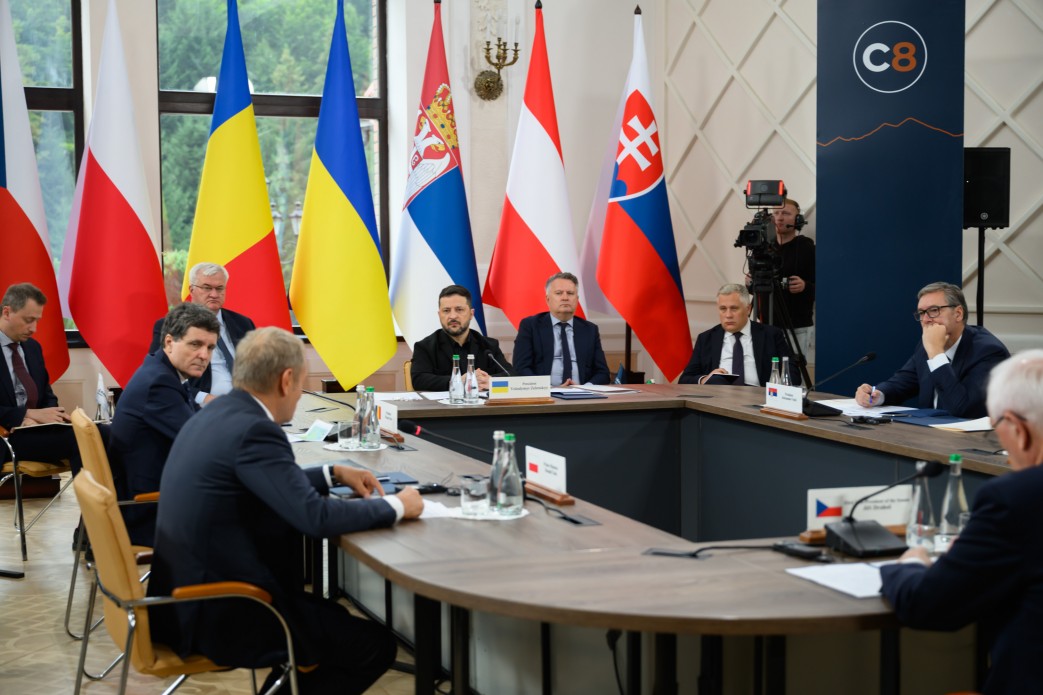
President of Ukraine Volodymyr Zelenskyy was joined at the meeting by President of Romania Nicușor Dan, President of Serbia Aleksandar Vučić, Prime Minister of Poland Donald Tusk, President of the Federal Council of Austria Christine Schwarz-Fuchs, First Vice President of the Senate of the Czech Republic Jiří Drahoš, and State Secretary at the Ministry of Foreign and European Affairs of Slovakia Marek Eštok. Representatives of Hungary will also join the economic portion of the summit in the evening. There will be a great deal of work with the European Union today and tomorrow as well.
The President of Ukraine thanked the Summit participants for coming and stressed that every such visit to our country and participation in joint initiatives is always about supporting our people, our state, and Europe as a whole during this time of war.
Volodymyr Zelenskyy noted that today’s meeting is the first in a new format that brings together all the Carpathian countries, as well as their regions and communities. A new format is being launched – the Carpathian Eight, bringing together Ukraine, Austria, Poland, Romania, Serbia, Slovakia, Hungary, and Czechia.
“This marks the start of a movement that should bring our countries even closer together and create another strong framework for cooperation at the EU level – security, energy, a significant expansion of logistics and cross-border economic cooperation, as well as substantial support for our communities,” the President said.
According to the Head of State, the Carpathians are not only a beautiful region, but also an important part of the strength of our countries and Europe, connecting countries through transport and logistics routes.
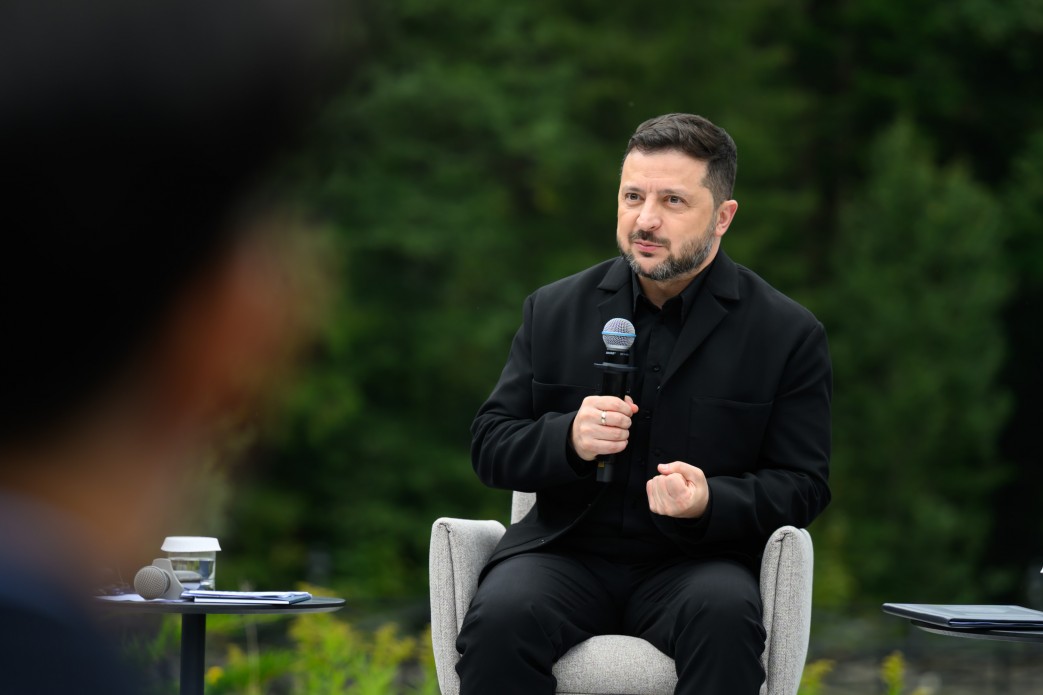
“They are critical for our countries. Our strategic gas storage facilities are also here, in the Carpathian region, they are among the largest in Europe,” Volodymyr Zelenskyy added.
The President stressed that the Carpathians are an important European mountain region with a unique and complex framework of climate, infrastructure and institutional challenges that can often be overcome only through joint efforts.
“We need better transport and logistics. We need more capacity to move large volumes of goods. We need to move faster with the modernization of our roads and railways. We need military mobility that improves our defense capability. We need more storage facilities, more renewables, development of the region's critical minerals, stronger trade links and stronger manufacturing cooperation. We need to build more interconnectors between our energy systems,” the Head of State emphasized.
Volodymyr Zelenskyy added that around 550 business representatives will take part in the economic part of the summit. Investment and trade agreements worth €1 billion have been prepared in the energy, logistics, and infrastructure sectors, as well as cross-sectoral agreements. Around 100 business projects from all participating countries, worth nearly €40 billion in total, will also be presented. According to the President, economic growth in the Carpathian macro-region could be twice as fast as the EU average.
“A Youth Forum will also take place. Its participants represent all Carpathian countries. We will work to develop a dedicated Carpathian macro-strategy at the European Union level. This would make it possible to attract more European funding to support Carpathian countries and communities. It is important that the European Union’s policies aimed at fostering cohesion in Europe and providing tangible support to regions and communities always receive the necessary attention and resources,” the Head of State said.
The President of Romania stressed the importance of developing academic exchanges for students and faculty members in order to deepen people-to-people ties and mutual understanding.
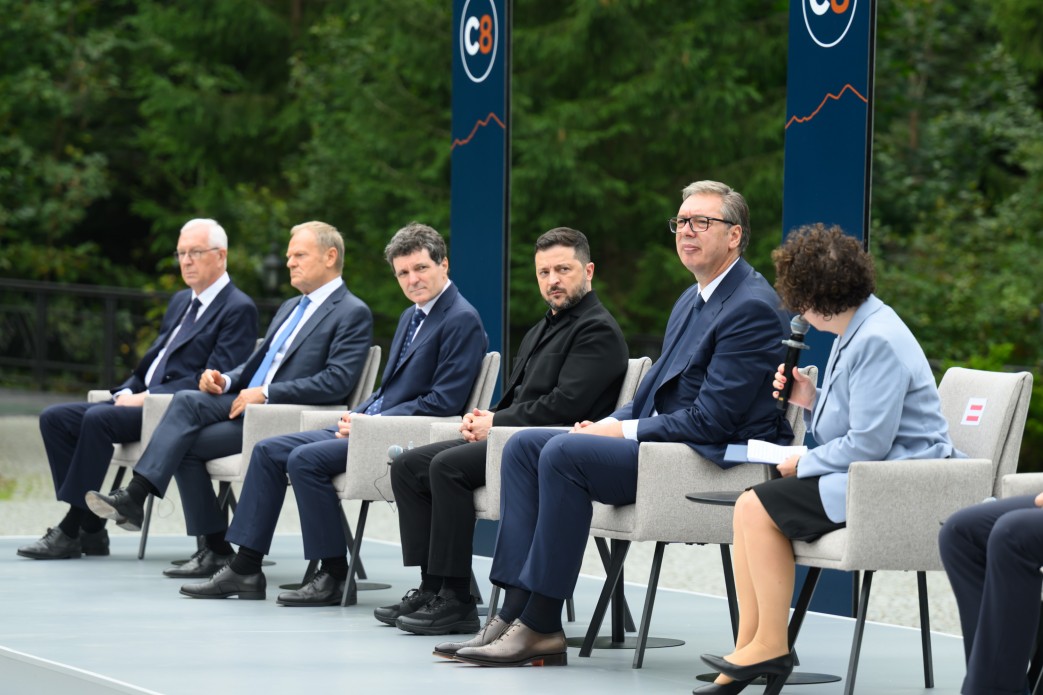
“I believe this format is important for strengthening good-neighborly relations between all our countries. Our countries are among those whose economies are growing significantly faster than the European average. And the key question is how to scale up this growth, because scale matters in the economy,” Nicușor Dan added.
The President of Serbia noted that strengthening cooperation in the Carpathian region is an important priority for his country and called for developing business ties and economic cooperation.
“Our trade with Ukraine has grown by almost 42% this year. And it will continue to grow. I think we should also discuss electricity interconnectors, power transmission systems, gas pipelines, oil pipelines, and everything else that is necessary in the modern world. And this is a very constructive way to address such issues. I think that with greater European support, we can all benefit from these programs,” Aleksandar Vučić said.
The Prime Minister of Poland stressed that his visit today demonstrates Poland’s solidarity with Ukraine and announced a substantial package of support for Ukraine from Poland. He also highlighted that one of the outcomes of the meeting could be stronger shared resilience – both social and infrastructural.
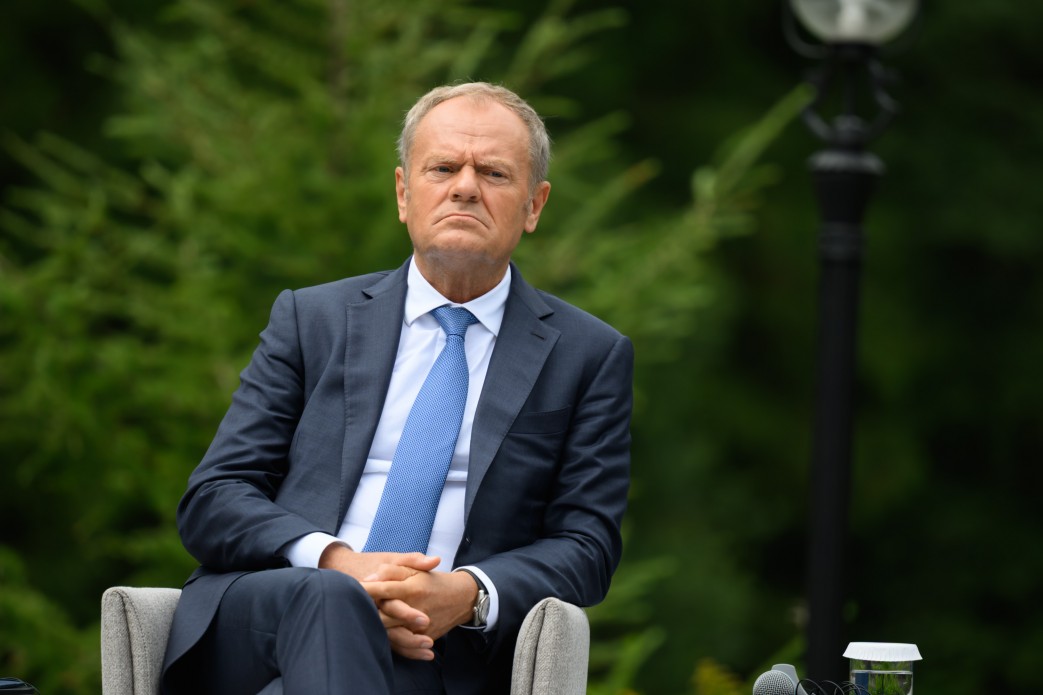
“Russian attacks are already reaching infrastructure near the borders of the European Union and NATO. On September 13, Russia carried out a drone attack in the immediate vicinity of the Polish border, near the Dorohusk–Yahodyn border crossing. We must seek to limit and eliminate such threats while continuing to pressure Russia into ending the war. Peace will not come through concessions, but through raising the cost of the war for Moscow,” the Prime Minister of Poland said.
The President of the Federal Council of Austria, also speaking on behalf of the Austrian Prime Minister, condemned the Russian attacks and assured Ukraine of continued support. According to her, Austria is ready to work on Ukraine’s reconstruction.
“The Carpathians connect our countries and regions. They have significant potential for closer cross-border cooperation, particularly in such areas as transport connectivity, local development, and economic cooperation. The Economic Forum will be a good opportunity to identify specific projects and demonstrate the economic potential for deeper cooperation in the Carpathian region,” Christine Schwarz-Fuchs said.
The First Vice President of the Senate of the Czech Republic noted that the participation of Czech companies in the reconstruction of Ukrainian cities and communities could benefit not only Ukraine, but the entire Carpathian region. He also added that the Carpathian region is not Europe’s periphery, but a strategic space for mutual opportunities.
“Ukraine’s experience in maintaining critical energy infrastructure under extremely difficult conditions can become a valuable lesson for all our countries. Strengthening cross-border infrastructure, diversifying energy systems, and improving regional connectivity will make all of Central Europe more resilient,” Jiří Drahoš said.
The State Secretary at the Ministry of Foreign and European Affairs of Slovakia, who attended the meeting because Prime Minister Robert Fico was unable to participate, called the new dialogue format a foundation for further cooperation.
“My presence is a show of solidarity with Ukraine. We are ready to share our experience with Ukraine and support Ukraine on its path to the European Union. And I believe that this platform is also extremely useful as part of the peace initiative,” Marek Eštok said.
The Carpathian Integration Initiative, launched today, is an international forum for regional dialogue and economic cooperation. It brings together eight European countries around the Carpathian mountain range. The platform was created to attract European investment in cross-border logistics and strengthen humanitarian and energy security.
The outcomes of the first Carpathian Summit (C8) include the establishment of a permanent political platform for dialogue among the leaders of the countries of the Carpathian region; the adoption of a joint declaration by the leaders calling for further work on the initiative to launch an EU Macro-Regional Strategy for the Carpathians – EUSCARP; and the engagement of representatives of governments, regions, businesses, international financial institutions, and the expert community in developing a substantive vision for the future EUSCARP.
